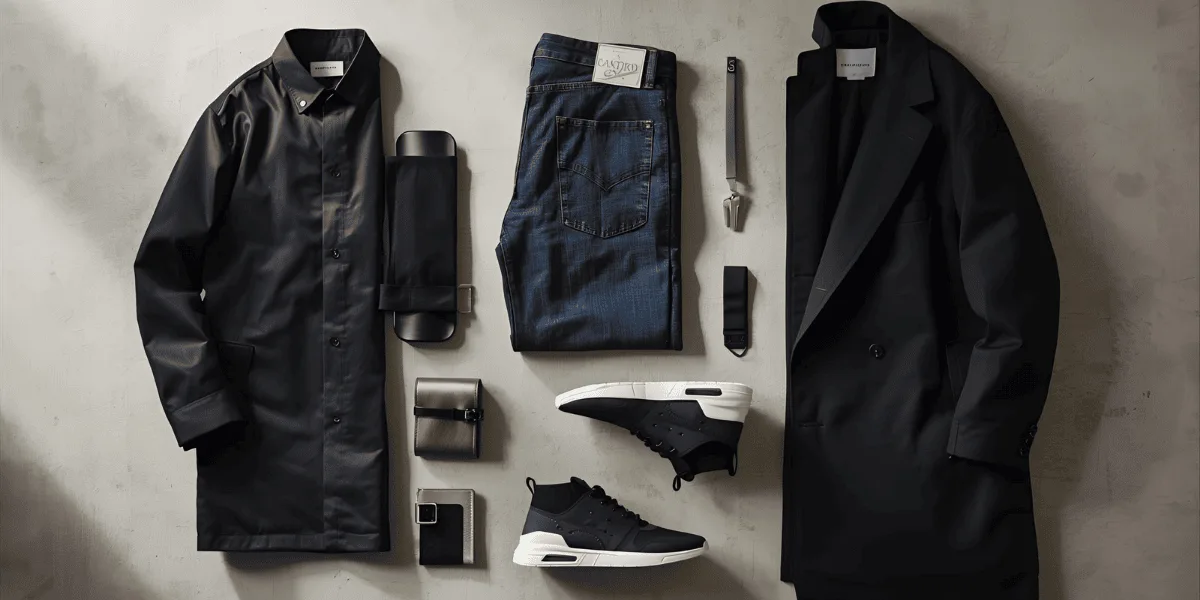
On the global stage of fashion, Japanese fashion brands occupy a unique position. They combine avant-garde design, streetwear, and quality to bring out styles that cater to both original fans and mainstream customers. These are brands that span everything from aggressive streetwear to minimal essentials and from technical high fashion to our very good friends — the shit-kicking bootmakers.
Here on the blog, we’ll take a look at what makes these brands unique, name some of the top names, discuss trends and lifestyle branding, and give you all our tips for choosing your own brand that suits your personality and wardrobe perfectly.
What is Special About Japanese Fashion Brands?
There are a number of reasons why Japanese fashion brands continually stand out:
- Inventive design thinking: Several push boundaries with their silhouette and proportion.
- Craftsmanship & quality: Tailored detail in fabric and craftsmanship makes a difference.
- Culture clash: Classic Japanese aesthetics (wabi-sabi, natural dyes) meet modern sensibility.
- Very strong subculture roots: Harajuku, Ura-Harajuku, and streetwear movements contribute to young creativity.
- Global partnerships: Collaborations with Western labels allow these brands to connect with a global audience.
They’ve managed to strike that balance between tradition and bold experimentation, which means they remain both important and respected.
Some Notable Japanese Fashion Brands You Must Be Aware Of
Here, we take a look at some standout Japanese fashion brands — both mass and luxury, as well as streetwear.
- Uniqlo — For minimalist basics, functional materials, and accessible prices.
- Comme des Garçons — Rei Kawakubo was behind the conceptual brand that has left an indelible mark on global fashion.
- Bape — The original Japanese streetwear brand, known for camo prints and hype drops.
- Sacai — Experimental hybrid constructions combining sport and formalwear elements.
- Kapital — Overdyed denim, patchwork, and Americana-influenced craft detail are its stock in trade.
- Yohji Yamamoto — Known for his oversized silhouettes, somber palettes, and architectural shapes.
- Issey Miyake — The creator of innovative pleating and textile experimentation.
- Baby, the Stars Shine Bright — One of the biggest names in Lolita/Harajuku style.
- Kiks Tyo — The next-gen street brand fusing sneaker culture and fashion.
These labels showcase the wide range of Japanese fashion — from mass global appeal to very specific cultural statements.
How Far Do Japanese Fashion Brands Reach?
Trend Leadership & Subcultures
Many streetwear trends start in Japan’s fashion districts. The aesthetic sensibility developed there often has a global ripple effect.
Quality & Material Innovation
These brands use better fabrics, unique dye methods, and artisan techniques to make pieces that last longer and feel more luxurious.
Distinct Identity & Branding
Icons like the Comme des Garçons heart, BAPE’s ape logo, or Yohji’s flowy black instantly make a brand statement.
Sustainability & Slow Fashion Moves
A handful of producers have turned to sustainable materials, limited runs, and local production to minimize waste and overconsumption.
Strategic Collaborations
Collaborations with foreign brands enable Japanese fashion labels to receive exposure outside their home market while maintaining their signature style.
Trends in Japanese Fashion Brands Now
- Streetwear Is at Its Peak: Limited-edition drops, graphic tees, and logo play continue to thrive.
- Heritage Revival: Classic Japanese denim, traditional patterns, and vintage techniques are back in vogue.
- Gender-Fluid & Unisex Designs: More pieces now work across the gender spectrum, using unstructured shapes and neutral colors.
- Quiet Minimalism / “Stealth Luxury”: Discreet luxury, low-key designs, and attention to construction are on the rise.
- Digitally Led & Community Driven Marketing: Brands are using social media, online lookbooks, and community impact to scale their business worldwide.
How to Find a Japanese Fashion Brand That’s Right for You
To choose Japanese fashion brands that fit your style, consider the following:
- Design preference: Do you like streetwear, minimalism, or art-concept designs?
- Price vs. value: Some brands are premium because of materials and workmanship, while others are more affordable.
- Fit & sizing: Japanese sizes and cuts vary; refer to measurements rather than size labels.
- Ethics & sustainability: Is the brand local, and does it operate sustainably?
- Accessibility: Can you order online globally? Is international shipping and customer service reliable?
Making choices based on these considerations means you can invest in pieces that reflect your look and values.
Pluses & Delta of Japanese Fashion Brands
Pros
- Unique, often trend-setting aesthetic.
- Strong focus on quality, materials, and detail.
- Range from basic essentials to experimental couture.
- Deep brand culture and heritage.
Challenges
- Premium pricing on imports or limited editions.
- Stock is occasionally low and harder to find.
- Some looks may cater to niche tastes rather than mainstream.
- Size disparity can be an issue for international consumers.
That being said, Watanabe’s difficulties likely won’t deter fashion connoisseurs from curating a wardrobe with Japanese brands.
Frequently Asked Questions (FAQ)
1. What exactly is a Japanese fashion brand?
A label that is a Japanese company or designed by a Japan-based designer who reflects traditional style, costume design, and cultural aesthetics.
2. Are Japanese fashion brands expensive?
Some are, particularly in the luxury or boutique segment. Others, like Uniqlo or Muji, are more cost-conscious.
3. Where can I buy Japanese fashion brands online?
Through official brand websites, global boutiques (such as SSENSE or Farfetch), Japanese retailers that ship abroad, or specialty concept stores.
4. Do Japanese brands fit differently than Western brands?
Often yes. They may be cut smaller or emphasize different proportions. Always check size charts and reviews.
5. How should I take care of high-quality Japanese clothing?
Follow care labels carefully — soft washes, air drying, and avoiding harsh chemicals help clothes last longer.
Conclusion
You can expect creativity, tradition, and modernism all coming together in Japanese fashion brands. Whether you’re into avant-garde minimalism, streetwear vibrancy, or artisanal craft, there’s a brand that speaks to your aesthetic.
By making thoughtful decisions based on design values, quality, sizing, and availability, you can build a wardrobe that expresses both style and intention.
Explore confidently — the world of Japanese fashion brands is a limitless source of inspiration for those in search of clothes with personality, vision, and long-standing appeal.