Fashion, as society’s creativity and culture incarnate, has always been thus. But avant garde fashion is so much more than that — it’s clothing, yes, but it’s art and expression and rebellion all rolled into one.
(Note: Although avant garde style is not mainstream, it has challenged the views of traditional design. If you are going for an avant garde vintage look, always remember to free yourself from fashion norms.)
So, this unique way of dressing has inspired designers, artists, and everyday people unafraid of getting noticed. Here’s what is so special about avant garde fashion, how it developed, and why we are still looking up to it to inspire the future of style.
What Is Avant Garde Fashion?
The word avant garde comes from the French military term for advance guard — those who run ahead of everyone else.
When it comes to fashion, avant garde fashion refers to innovative, experimental, and rule-breaking styles that challenge the status quo.
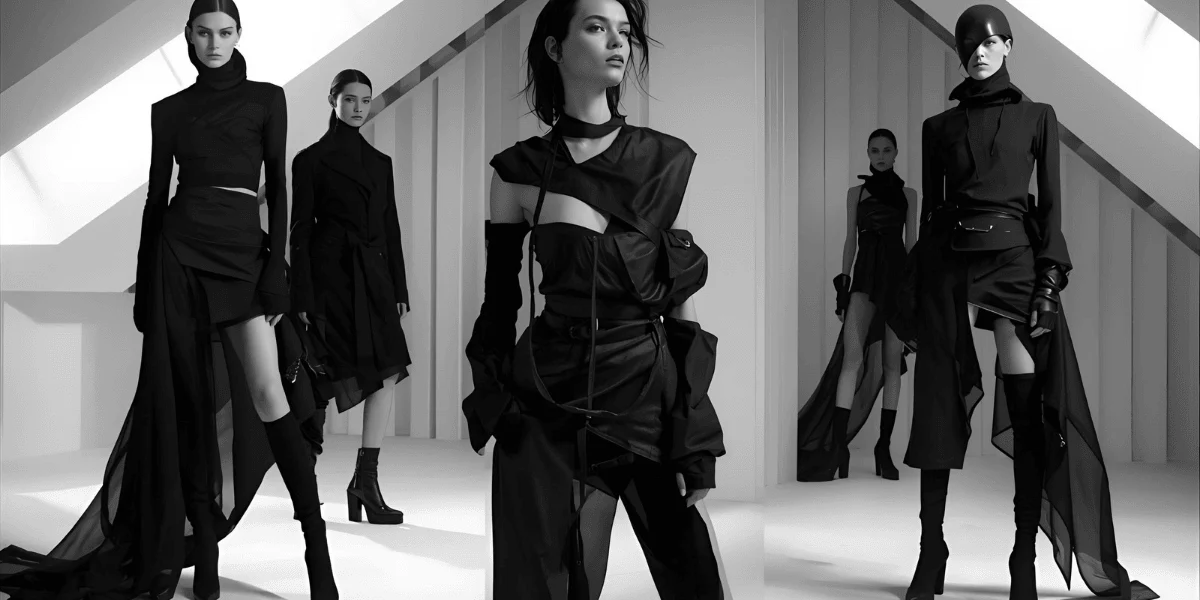
It tends to have weird shapes, abstract forms, and overstated proportions. The aim is not wearability, but creativity and conceptual drive. Designers in this style don’t follow trends — they make them.
Avant Garde Fashion Features
Some of the most common features of avant garde fashion include:
- Asymmetrical shapes and exaggerated proportions
- Dark or monochromatic color palettes
- Unusual fabric combinations
- Deconstructed tailoring
- Minimalist yet conceptual designs
The Roots of Avant Garde Mode
Avant garde fashion was introduced in the early 20th century as the art movements of Dadaism and Surrealism inspired designers to deconstruct what beauty is.
It wasn’t until the 1960s and 1970s that fashion began to incorporate artistic expression, creating a new wave of designers who saw fashion as performance and protest rather than simply clothing.
In Japan, the avant garde was first brought to world attention in the 1980s with collections by Rei Kawakubo (Comme des Garçons) and Yohji Yamamoto. Their shows featured oversized, asymmetrical clothing that was a direct rebuke to Western fashion.
Meanwhile, Issey Miyake was being inventive with trans-illusion technology and fabric innovation, fusing art with utility. Together, these designers expanded the parameters of what global fashion’s creativity could do.
Philosophy Behind Avant Garde Fashion
At the heart of avant garde fashion is originality, freedom, and creativity. It’s about a refusal to follow commercial trends and instead focusing on concept and emotion.
While mainstream fashion is about appealing to the masses, this isn’t a collection designed for everyone. Avant garde speaks to a niche market — those who value expression over conformity.
The philosophy here confounds people’s understanding of clothes. Instead of the question “Does it look good?”, avant garde asks “What does it mean?”
Each piece has a story to tell — sometimes political, occasionally emotional, and often deeply personal.
Things That Set Avant Garde Fashion Apart
1. Unconventional Silhouettes
Avant garde designers frequently experiment with shape and proportion. Sleeves are oversized, hems are elongated, and shoulders exaggerated — creating a sculptural silhouette that turns the body into human art.
2. Minimalism and Deconstruction
Many avant garde designs break clothing down to its bare components — sewn edges, raw hems, exposed linings. This method debunks perfection and pays tribute to imperfection.
3. Monochrome and Texture Play
Avant garde fashion tends to eschew bright colors and use muted shades. The emphasis is on texture — matte, shiny, sandwiched fabrics each give depth and emotion.
4. Gender Fluidity
Avant garde fashion has historically pushed the boundaries of what gender means. Unisex or gender-neutral pieces offer wearers an opportunity to express identity beyond traditional norms.
5. Concept Over Comfort
Avant garde is not commercial fashion meant for convenience. It exists to make people think — to tell a story with images rather than words.
Influential Avant Garde Designers
Rei Kawakubo (Comme des Garçons)
Probably the most powerful person in avant garde fashion, her work pushes aesthetic limits through asymmetry, abstraction, and intellectual narrative.
Yohji Yamamoto
Famous for his flowing black, architectural cuts, Yamamoto’s work embodies strength, mystery, and minimalism — the philosophy of less is more.
Issey Miyake
Miyake’s legacy lies in technology and fashion fusion. His pleating innovations and futuristic fabrics made avant garde prêt-à-porter.
Maison Margiela
Martin Margiela blurred the line between fashion and art. His deconstructed garments — inside-out seams, recycled fabrics, and anonymity — changed fashion forever.
Alexander McQueen
McQueen infused avant garde fashion with emotion and drama. His runway shows were theatrical, symbolic, and unforgettable.
The Modern Times of Avant Garde Fashion
Today, avant garde is alive and thriving. Independent designers have found new creative playgrounds through social media and digital art platforms.
Celebrities like Lady Gaga, Björk, and Billie Eilish embrace avant garde fashion to express individuality and reject red-carpet conformity.
Modern brands like Rick Owens, Ann Demeulemeester, and The Row reinterpret avant garde aesthetics — blending luxury, art, and minimalism seamlessly.
Streetwear Meets Avant Garde
In recent years, avant garde and streetwear have found common ground. Designers such as Yohji Yamamoto collaborated with Adidas (Y-3), proving that creative clothing can be both urban and wearable.
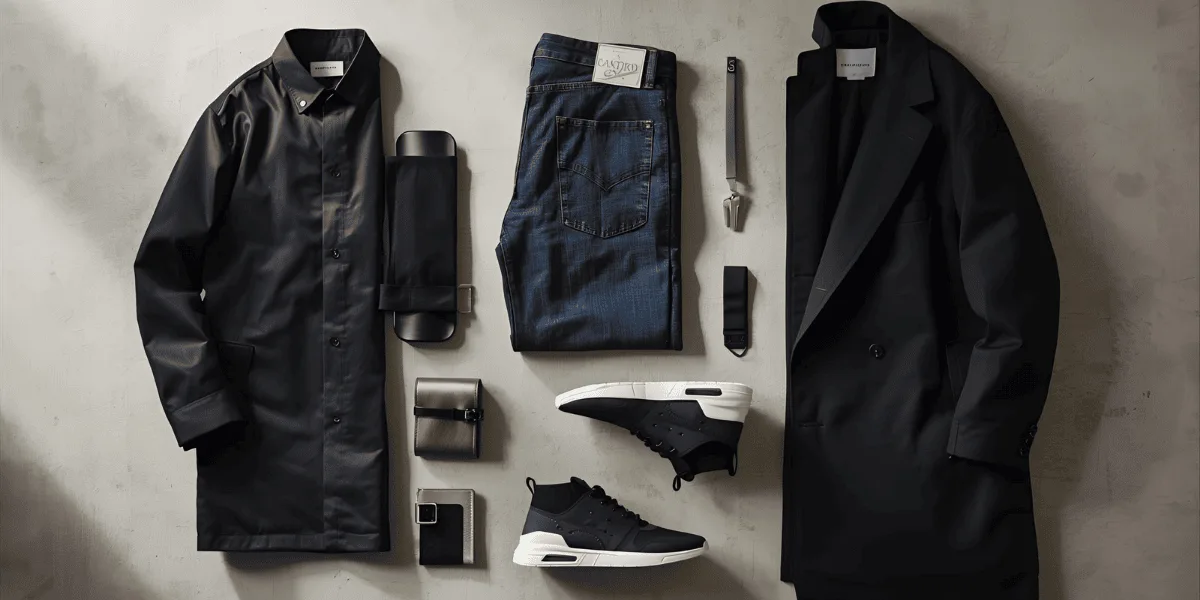
This blend introduced avant garde to a wider audience without diluting its edge. Street-driven avant garde integrates functionality and rebellion — oversized hoodies, layered coats, and sculptural sneakers that embody bold experimentation.
Why Avant Garde Fashion Matters
Avant garde fashion matters because it pushes boundaries. It asks us to rethink what fashion can be.
It’s not about trends but transformation — about taking risks, expressing emotion, and redefining beauty. Every piece becomes a statement of creativity, culture, and courage.
Wearing avant garde is joining an artistic movement that celebrates individuality and imperfection.
How to Style Avant Garde Clothes
You don’t have to be a runway model to embrace avant garde style. Here’s how to bring it into your everyday look:
- Start simple: Begin with neutrals like black, grey, and beige.
- Play with shapes: Try asymmetrical tops or wide-leg trousers.
- Layer smartly: Pair long coats with tailored accessories.
- Experiment with textures: Mix leather, linen, and raw cotton.
- Own your confidence: Avant garde fashion is about attitude — wear it boldly.
Going avant garde isn’t about replacing your wardrobe; it’s about changing your mindset and being brave enough to stand out.
Frequently Asked Questions (FAQ)
1. What does avant garde fashion do?
Avant garde fashion pushes the boundaries of design — there are no limits to creativity and imagination.
2. Who are the avant garde fashion designers?
Rei Kawakubo, Yohji Yamamoto, Issey Miyake, Martin Margiela, and Alexander McQueen are leading figures in this field.
3. Can you wear avant garde fashion in everyday life?
Some designs are wearable, while others are purely conceptual or artistic.
4. How does one get into dressing avant garde?
Start with neutrals, mix proportions, and use statement accessories. Confidence is key.
5. Why is avant garde fashion so important?
It promotes innovation, challenges norms, and keeps fashion evolving as an art form.
Conclusion
The avant garde style in fashion is a daring way of expressing creativity — diffusing the line between sobriety and eccentricity.
It’s about seeing differently, dressing boldly, and embracing imperfection as beauty.
Every stitch, pleat, and silhouette tells a story of questioning norms and celebrating individuality. Whether you’re a designer, an enthusiast, or just curious about what lies beyond jeans and tees, avant garde fashion invites you to view clothing as art, identity, and limitless reinvention.